How Somatic Movement Education Changes the Way We Teach Prenatal Yoga

Dec 27 / BabyMoon Staff
How Somatic Movement Education Changes the Way We Teach Prenatal Yoga

A lot of prenatal yoga is taught like regular yoga, just slower and gentler. The same poses, the same alignment cues, fewer transitions, more props.

And yet many yoga teachers and birth workers sense that something is missing.

Not because the classes are unsafe, but because pregnancy asks for a fundamentally different relationship to the body. One that prioritizes sensation, adaptability, and internal awareness over external form.

This is where somatic movement education becomes a powerful lens for prenatal yoga teaching.

Rather than asking the body to fit a shape, somatic approaches ask how movement emerges from within. They shift the teacher’s role from correcting alignment to supporting perception. For pregnancy and birth, that shift matters.

Why Prenatal Yoga Can’t Be Taught Like Regular Yoga

Pregnancy is not a temporary limitation. It is a rapid and ongoing physiological reorganization.

Breathing mechanics change as the rib cage adapts. The center of mass shifts. Joint mobility often increases. The pelvic floor must provide support while remaining responsive. Organs relocate to create space for the growing uterus. The nervous system becomes more sensitive to overload.

When prenatal yoga is taught primarily through external alignment and muscular effort, teachers may unintentionally cue bracing where softness is needed, or effort where responsiveness would be more supportive.

Somatic movement education offers a different entry point: teach from the inside out.

The Somatic Lens: The Body as Living Systems

Somatic movement education understands the body as a collection of interconnected systems, each with its own quality of support, movement, and perception. This framework is especially useful in prenatal yoga, where change is constant and no two bodies experience pregnancy the same way.

Four systems Relevant for prenatal teaching

The cellular body
At the cellular level, the body is always expanding, condensing, and resting. Pregnancy mirrors this rhythm. Teaching from this lens helps normalize rest as an active part of growth, not a pause from progress.
The musculoskeletal system
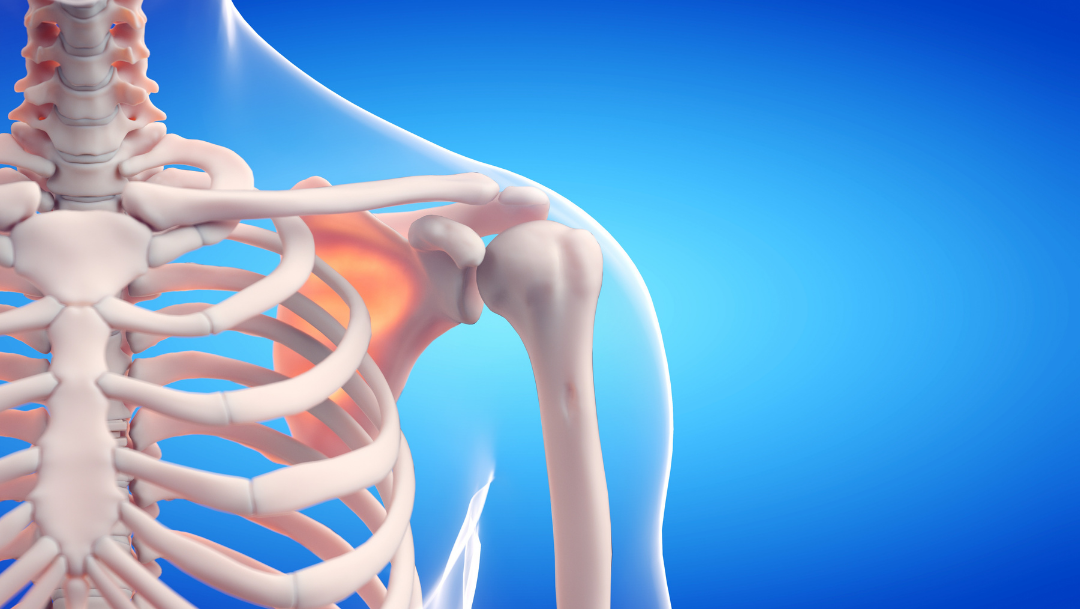
Bones provide structure and direction, while muscles create movement. In pregnancy, too much muscular effort can restrict breath and circulation, while too little support can lead to instability. Somatic cueing helps teachers guide students toward the minimum effective effort: enough support to feel held, enough ease to allow movement and breath.
The fluid system
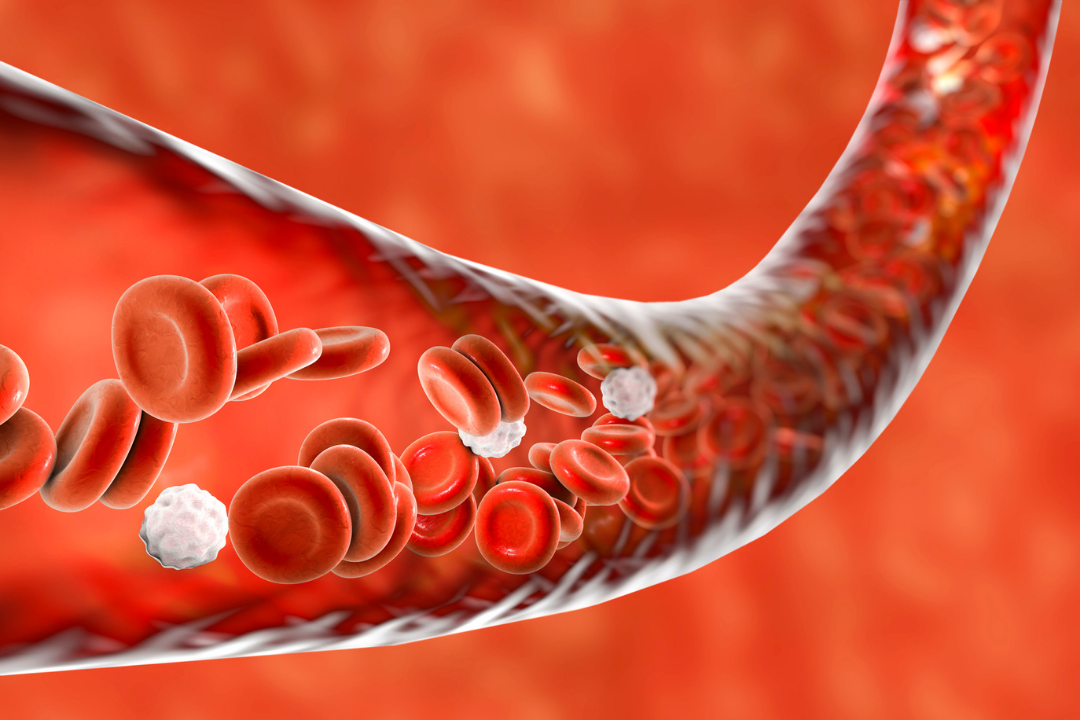
Blood volume increases during pregnancy, and many students experience swelling or a sense of heaviness. Fluid awareness brings attention to buoyancy, circulation, and softness. This lens is especially helpful in hip work, side body movement, and restorative shapes.
The organ body
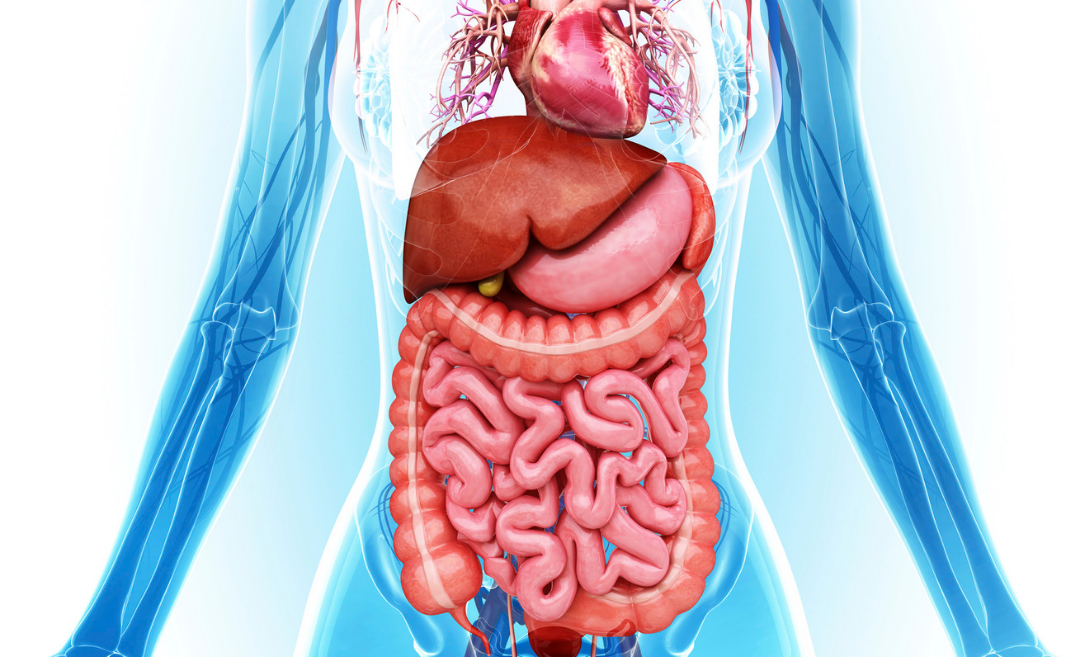
As the uterus grows, the relationship between the body’s contents and container shifts. Organ-informed cueing changes the goal from deep stretching to creating space: for breath, for digestion, for ease, and for the baby.
Teaching through these systems helps students inhabit their bodies rather than perform shapes.

This approach is informed by somatic movement education, including the work of Bonnie Bainbridge Cohen and Body-Mind Centering, without replacing formal BMC training.

From Alignment-First to Sensation-First Cueing

Somatic prenatal yoga does not abandon alignment. It reorders priorities.

Instead of leading with how a pose should look, teachers lead with how it should feel.

This shift supports interoception: the ability to sense internal signals clearly. For pregnancy and birth, interoception is a critical skill.

Examples of sensation-first cueing include:

• Find the version of this shape where your breath feels smooth and unforced
• Keep the support that feels steady and release anything that feels like bracing
• Let your pelvis feel wide and responsive rather than held
• Notice whether effort is helping you feel supported or limiting your breath
• Move as if you’re listening, not performing

This style of cueing gives students permission to adapt moment by moment, which mirrors the realities of labor and birth.

What This Changes for Yoga Teachers and Birth Workers

When prenatal yoga is taught through a somatic lens, students often report:

• Less pressure to push through discomfort
• Greater confidence in modifying without feeling like they are failing
• Improved access to breath
• More functional pelvic support
• A stronger sense of trust in their body’s feedback

For birth workers, these outcomes directly translate to labor support. Labor requires responsiveness, not memorized positions. Sensation changes quickly. Effort must be balanced with yielding. The nervous system needs consistent signals of safety.

Somatic principles do not add complexity to prenatal yoga. They simplify it by aligning teaching with how bodies actually learn and adapt.

If you are ready to deepen your prenatal teaching and work from the inside out, explore the Babymoon Prenatal Yoga Teacher Training.


Created with